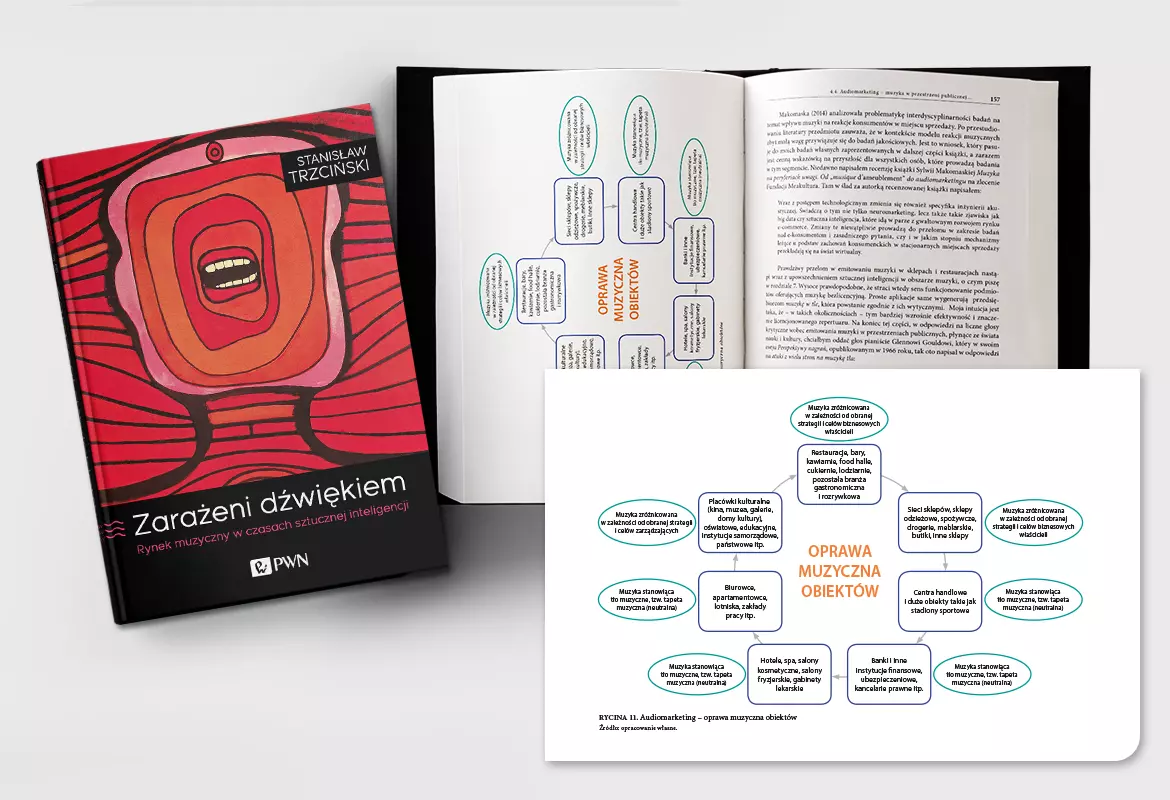
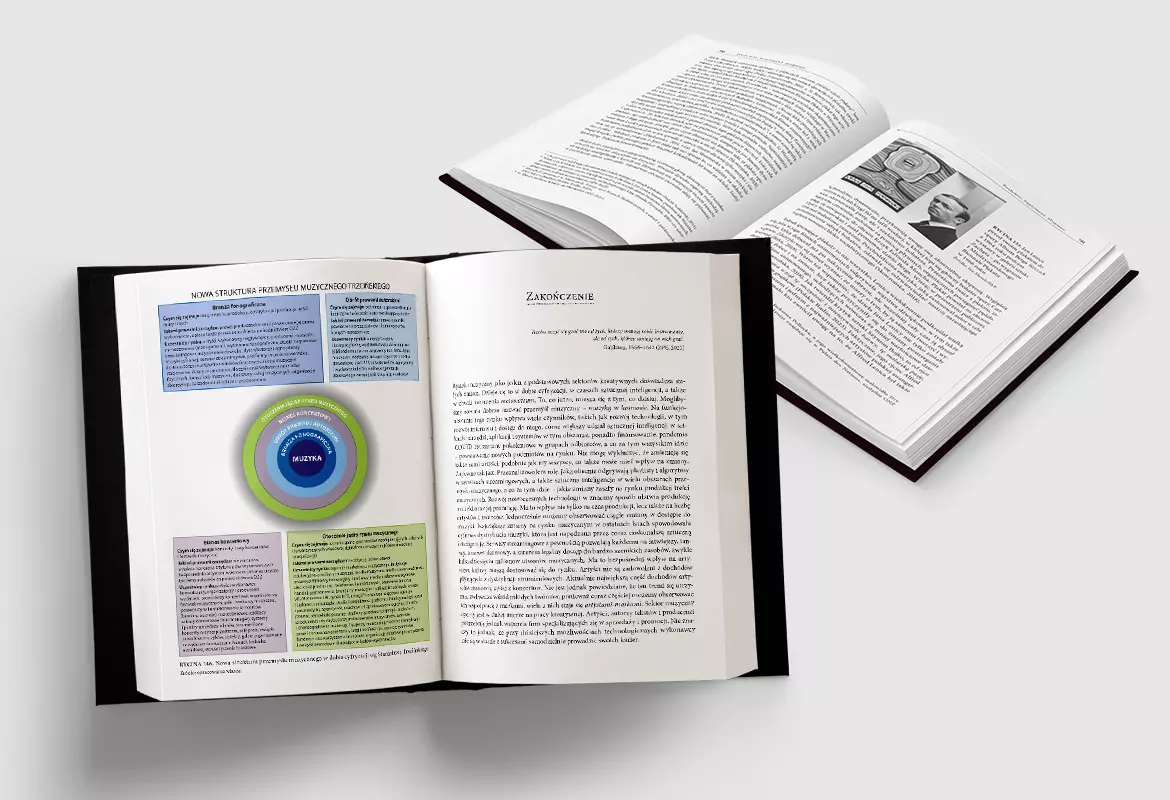
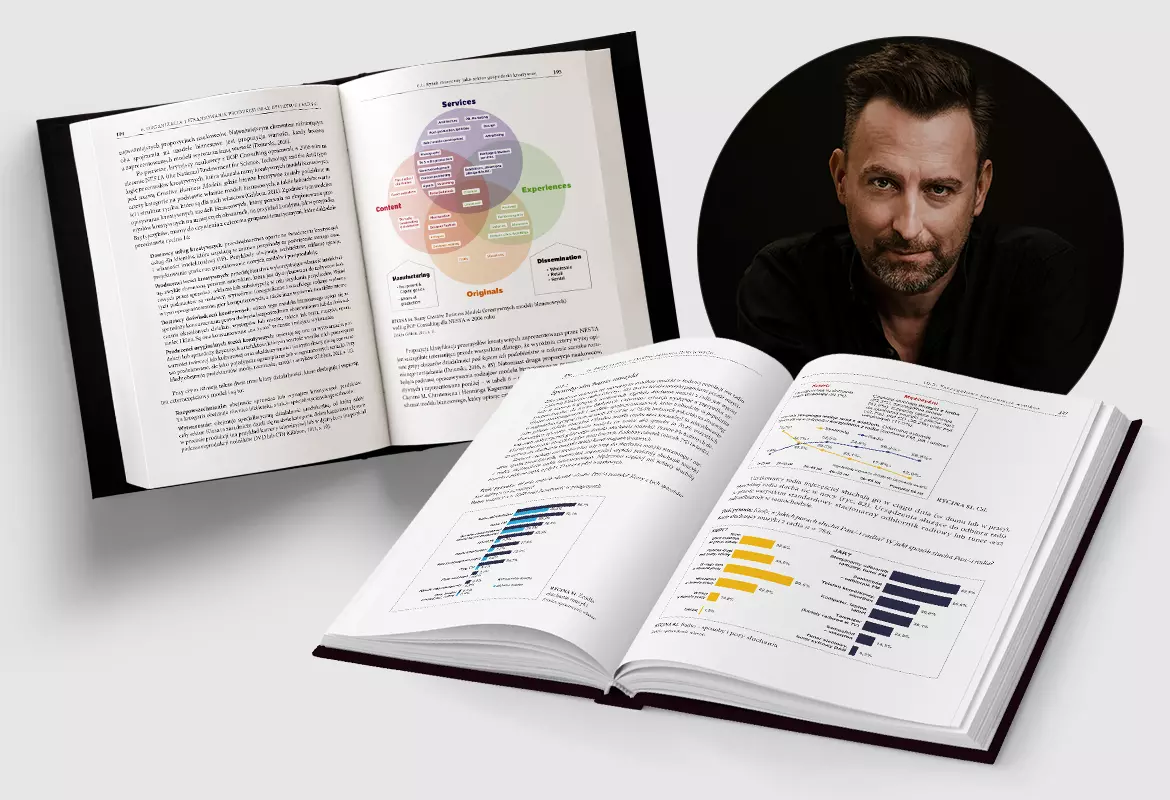
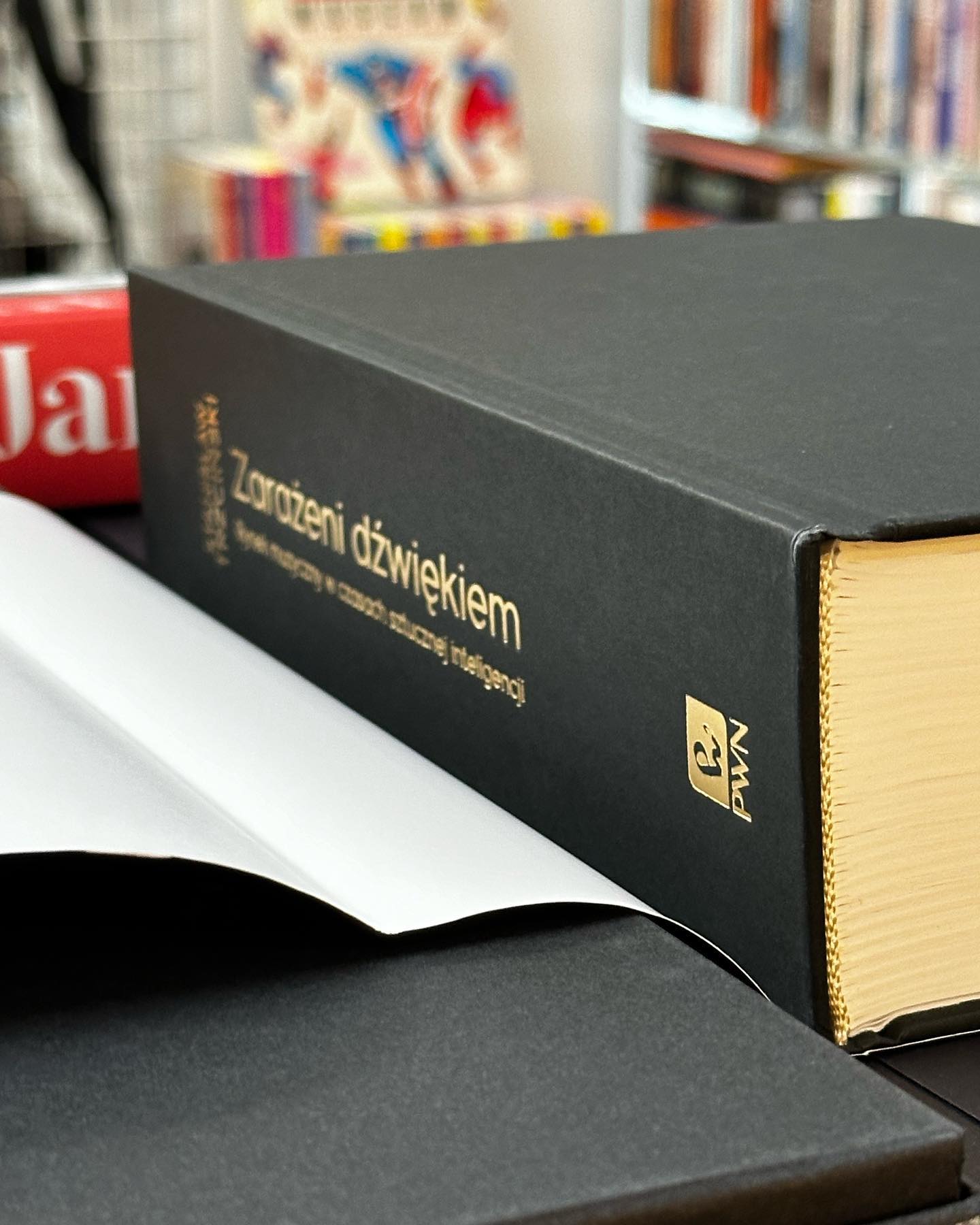
It is the most extensive and comprehensive publication devoted to the Polish music market and the models of music reception in Poland. It's important to emphasize that we're dealing here with a description of a whole series of research projects, both qualitative and quantitative. The scope of these achievements is impressive. It takes a lot of courage to focus analytical effort on phenomena such as the use of artificial intelligence in music. Trzciński took this risk.
dr hab. Miroslaw Pęczak, prof. University of Warsaw
A good, reliable and professional settlement with the past to reach what will be...
Kayah, singer and author
Don't be afraid of the weight of this book. It reads well, lightly and quickly, almost like a newspaper article. You don't have to be a scientist or a musician to understand this book.
Wojtek Sokół, rapper and music publisher
This is unique knowledge - years of experience, research, behind-the-scenes conversations and a bold, substantive look into the future!
Jan Borysewicz, musician and author
The author shows us not only the current state of the music market in Poland, but also gives us an idea of the changes that are just beginning.
dr hab. Patryk Gałuszka, prof. University of Lodz
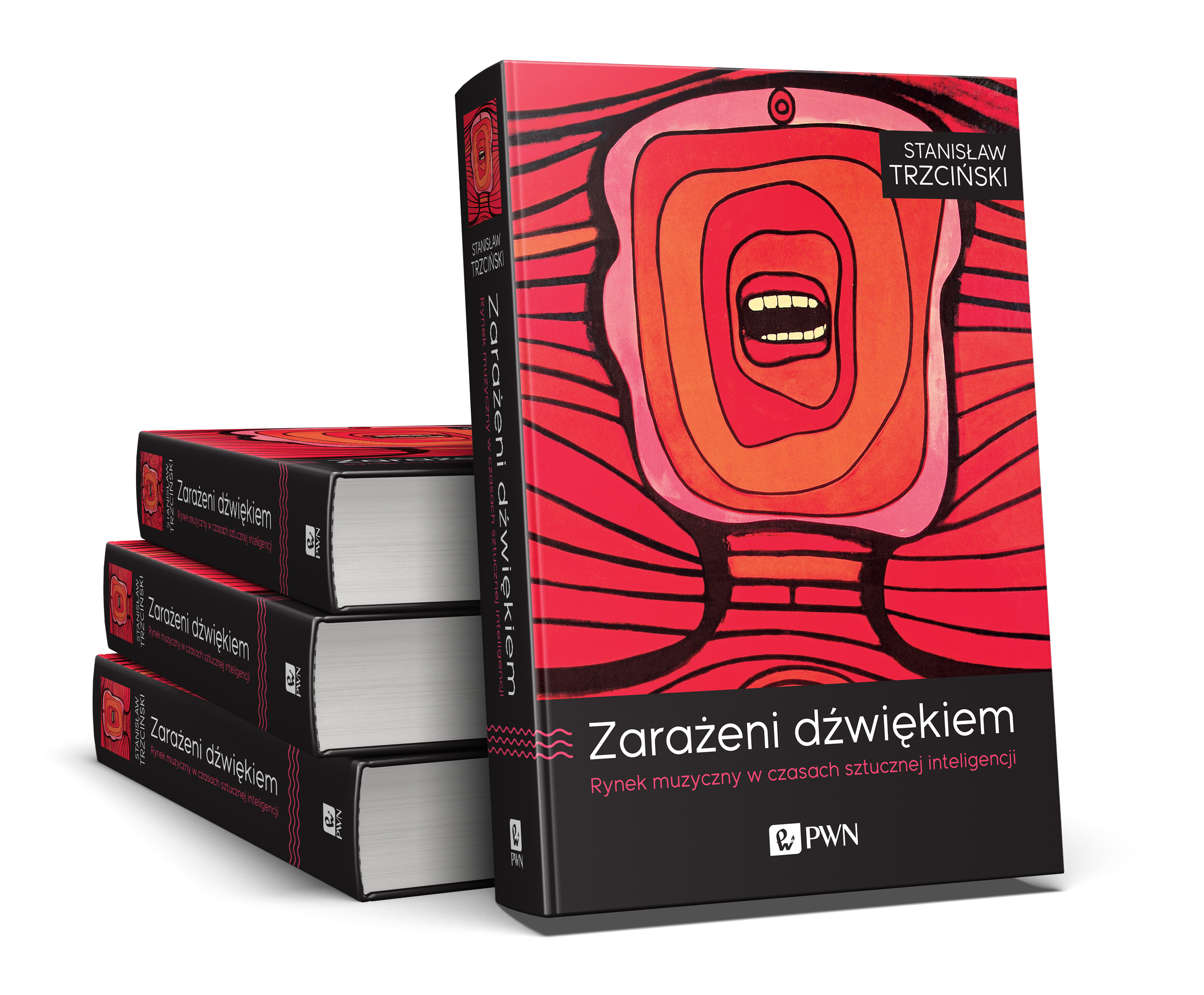
Moreover, Trzciński perfectly selected the cover (and visionary) graphics of Jan Lenica, previously accompanying the theatrical "Wozzeck" and "Mała Apocalypse" by Konwicki. Here we are also dealing with a kind of apocalypse.
Bartek Chaciński, Polityka weekly
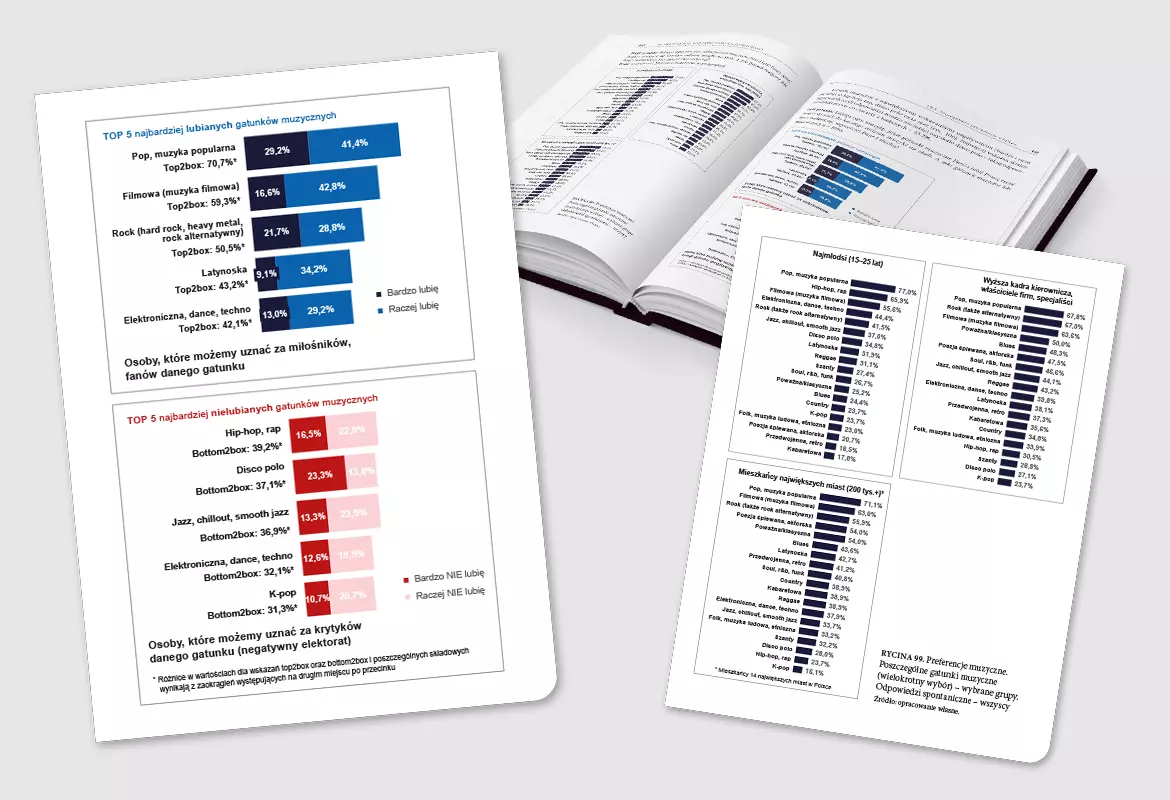
I don't know anyone who knows as much about music and the music business in Poland as Stanisław Trzciński. This isn't a book you can read cover to cover. It covers everything about music in Poland. Literally—from statistics, through surveys and studies, to anecdotes and descriptions of how technology works. The two parts of the book that completely captivated me were the descriptions of how Spotify has changed our musical habits. Trzciński's account of how the Discover Weekly playlist on Spotify works alone is worth buying the book. The second outstanding part of the book is the author's analysis of research into Poles' musical preferences. I was surprised by how many people in Poland even declare that they like and listen to classical music.
Bartek Węglarczyk, Editor-in-Chief of Onet.pl
"Infected with Sound"... doesn't offer a ready-made recipe for "how to achieve success", but it undoubtedly facilitates understanding the mechanisms that govern the music market. The publication's reflections on the vast consequences of digital music distribution, the development of modern tools (streaming, new platforms, subscription models, playlists, miniaturization, algorithms, and artificial intelligence), and its in-depth insights into marketing mechanisms (artist brands, 360-degree contracts, and omnivorous audiences) are particularly valuable. The book's dimensions are undoubtedly "biblical," and the effort put into its creation is no less impressive.
Katarzyna Ryzel, biweekly Ruch Muzyczny